

Cart
0
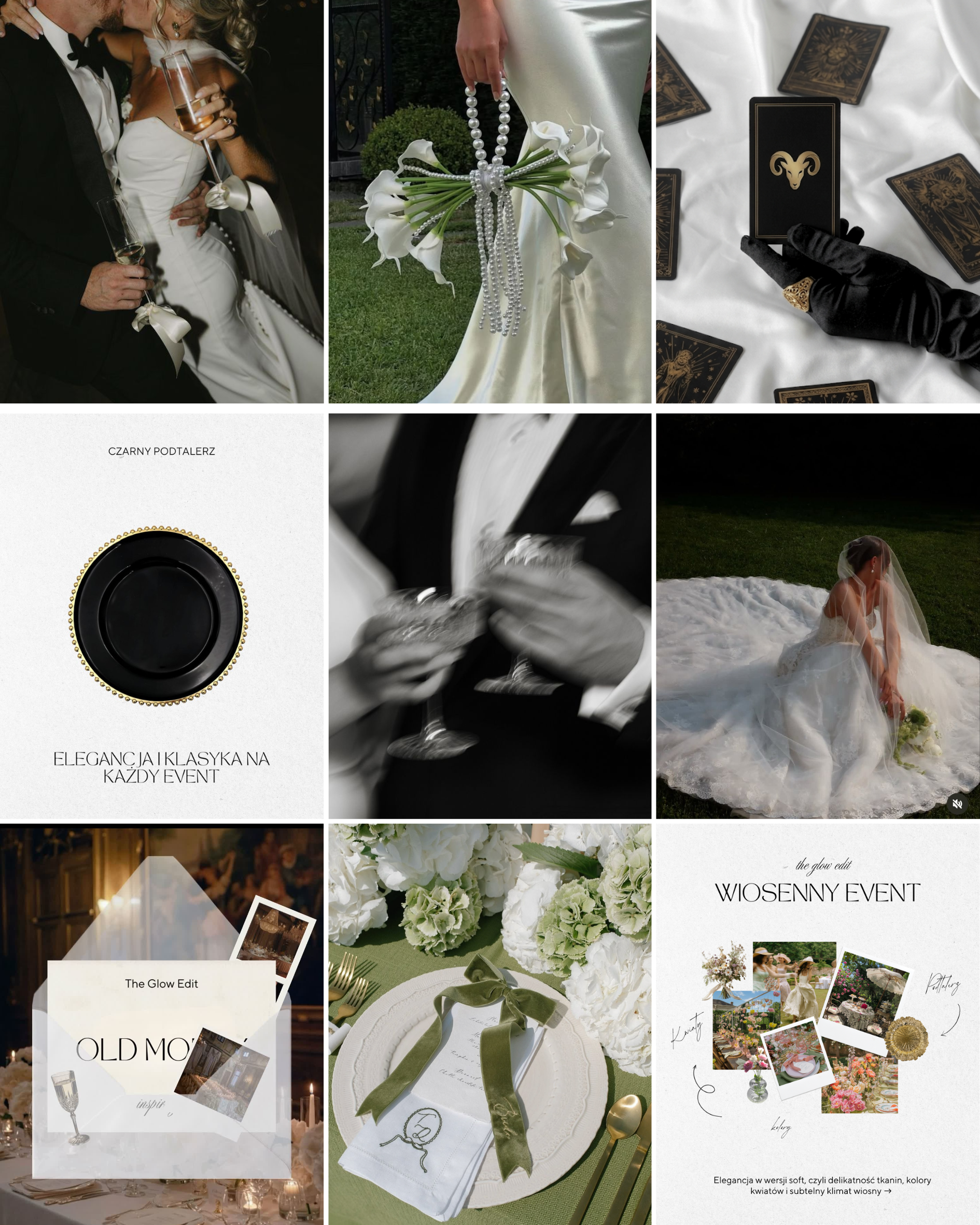
Planning your dream wedding is exciting, but with so many decisions to make, it can quickly feel overwhelming. From choosing the perfect venue to creating your guest list, every detail seems important.
The secret is not to plan everything at once. A beautiful wedding begins with a clear vision, realistic priorities, and a thoughtful plan.
Whether you are dreaming of an intimate celebration or a grand wedding surrounded by everyone you love, these essential steps will help you turn your ideas into a wedding that feels truly yours.
1. Start With Your Vision
Before looking at venues, dresses, flowers, or invitations, take a moment to imagine how you want your wedding to feel.
Do you picture a romantic garden celebration? A sophisticated city wedding? A relaxed beach ceremony? Or an intimate dinner surrounded by your closest people?
Think beyond colors and decorations. Ask yourselves:
- What atmosphere do we want our guests to experience?
- What moments are most important to us?
- Do we want the day to feel elegant, relaxed, joyful, intimate, or luxurious?
- What elements represent us as a couple?
Your answers will become your wedding's foundation. Once you know the feeling you want to create, many other decisions become much easier.
2. Set Your Wedding Budget
Your budget is one of the most important decisions to make early.
Before booking anything, determine how much you are realistically comfortable spending and whether anyone else will be contributing financially.
Then divide your budget into categories such as:
- Venue
- Catering and drinks
- Photography and videography
- Wedding attire
- Flowers and décor
- Entertainment
- Invitations and stationery
- Transportation
- Wedding cake
- Hair and makeup
- Accommodation
- Wedding rings
- Miscellaneous expenses
Remember to leave room for unexpected costs. A wedding budget should not only cover what you want to spend, but also protect you from financial stress later.
3. Create Your Guest List
Your guest list affects almost everything — especially your venue and budget.
Start by creating a preliminary list without worrying too much about the final number. Separate guests into categories such as immediate family, extended family, close friends, colleagues, and other important people.
Then ask yourselves an important question:
"If we could only invite the people who truly matter to us, who would be there?"
Your wedding is ultimately a celebration of your relationship, not a requirement to invite everyone you know.
Once you have an approximate guest count, you can search for venues and estimate catering costs much more accurately.
4. Choose Your Wedding Date and Location
With your budget and guest count in mind, start thinking about when and where you want to get married.
Consider factors such as:
- Season and weather
- Venue availability
- Travel requirements for guests
- Accommodation
- Public holidays
- Your preferred photography conditions
- Availability of important vendors
If you are flexible with your date, you may have more venue options and potentially better pricing.
Also consider the overall experience. A beautiful venue is wonderful, but accessibility, parking, accommodation, and the flow of the wedding day can make an equally important difference.
5. Find the Right Venue
Your venue sets the stage for your entire celebration.
When visiting a venue, don't only ask whether it looks beautiful. Think about how your wedding will actually work there.
Ask about:
- Maximum capacity
- Catering options
- Ceremony and reception spaces
- Indoor and outdoor options
- What is included in the rental price
- Decoration restrictions
- Music and noise policies
- Setup and cleanup
- Parking and transportation
- Accommodation
- Weather backup plans
Try to imagine your actual wedding day while walking through the space: Where will you get ready? Where will guests arrive? Where will the ceremony take place? How will everyone move from one part of the celebration to another?
The right venue should fit not only your aesthetic, but also your practical needs.
6. Build Your Wedding Team
Once your venue and date are secured, start booking the vendors who will bring your vision to life.
Depending on your wedding, you may need:
- Wedding planner or coordinator
- Photographer
- Videographer
- Florist
- Caterer
- DJ or live band
- Hair and makeup artist
- Cake designer
- Stationery designer
- Decor and rental company
- Transportation provider
Don't choose vendors based solely on price or beautiful Instagram photos.
Look at their experience, reviews, communication style, portfolio, and overall approach. You will be working closely with these people, sometimes for many months, so trust and communication matter.
7. Choose Your Wedding Style and Color Palette
Now comes one of the most creative parts: defining your visual identity.
Choose a few key elements that will guide your design, such as:
Style: Romantic, modern, classic, minimalist, rustic, editorial, or bohemian.
Colors: Select a primary color, complementary shades, and neutral tones.
Materials: Consider linen, glass, wood, silk, stationery textures, candles, or metallic details.
You don't need every element to match perfectly. Instead, aim for a sense of cohesion.
A well-designed wedding feels intentional because the details tell the same visual story.
8. Plan the Guest Experience
A memorable wedding is not only about how beautiful it looks. It is also about how your guests feel.
Think about their experience from beginning to end.
How easy is it to find the venue? Is there enough seating? Will they know where to go? Is there enough food and drink? Are there comfortable spaces to relax? Is the timeline too long?
Small details can make a big difference — welcome signs, thoughtful stationery, comfortable seating, personalized favors, music, lighting, and even the way meals are served.
The goal is not to impress your guests with more things. It is to make them feel welcomed, comfortable, and included.
9. Create Your Wedding Timeline
As your wedding gets closer, create a realistic timeline for the day.
Include important moments such as:
- Getting ready
- First look
- Ceremony
- Family and couple portraits
- Cocktail hour
- Reception entrance
- Dinner
- Speeches
- First dance
- Cake cutting
- Dancing
- Final moments of the celebration
Don't fill every minute.
Allow breathing room between events so you can actually enjoy the day. Some of the most beautiful wedding memories happen in the moments that were never planned.
10. Don't Forget the Meaning Behind the Details
With all the planning, it is easy to become focused on flowers, menus, invitations, seating arrangements, and timelines.
But at the center of everything are two people choosing to build a life together.
When a decision becomes stressful, ask:
"Will this actually make our wedding more meaningful, or are we doing it because we feel we are supposed to?"
You don't need to follow every wedding tradition. You don't need to recreate someone else's celebration. Your wedding can be elegant, simple, unconventional, cultural, intimate, extravagant — or a combination of all of these.
The most beautiful weddings are often the ones that feel authentic to the couple.
Your Dream Wedding Starts With a Plan — But Doesn't End There
Wedding planning is about more than organizing a beautiful event. It is the beginning of a new chapter.
Start with your vision. Set a realistic budget. Prioritize what matters most. Surround yourself with trusted people. And remember to leave space for unexpected moments.
Because when the music starts, the flowers are in place, and you finally walk toward the person you love, you won't remember whether every detail was perfect.
You'll remember how it felt.
Plan the details. Protect the moments. And create a wedding that feels unmistakably yours


